

Integrative chromatographic and spectrophotometric analysis of the phytoconstituents, microbial limit test and antioxidant activity of a polyherbal immune booster
Article Sidebar
Main Article Content
Abstract
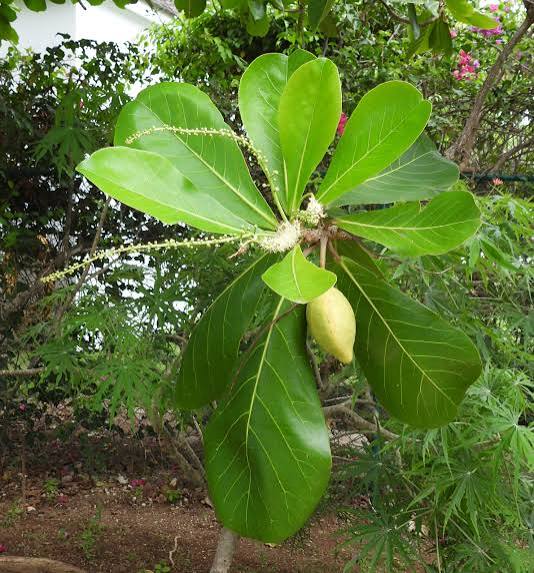
Despite the widespread use of herbal immune boosters in Nigeria, many lack rigorous quality evaluation to ensure consumer safety. As data on the quality and safety of many marketed polyherbal products remain scarce, this study aimed to evaluate BDP, a polyherbal immune-booster containing Plukenetia conophora Müll. Arg. (Euphorbiaceae) and Terminalia catappa L. (Combretacea), following pharmacopoeial standards. Qualitative phytochemical screening, spectrophotometric quantification, and determination of physicochemical parameters were performed. Bioactive compounds and vitamins were evaluated using High-Performance Liquid Chromatography (HPLC) and Gas Chromatography-Mass Spectrometry (GC-MS). Antioxidant potential was determined via 2,2-diphenyl-1-picrylhydrazyl (DPPH), Ferric Reducing Antioxidant Power (FRAP), and total antioxidant capacity (TAC) assays. Total aerobic microbial and total yeast/mould counts were also determined. Phytochemical analysis revealed phenolics (47.506 mg/g), steroids (45.469 mg/g), and flavonoids (14.097 mg/g). Total ash (8.37%), acid-insoluble ( 2.67%), and moisture content (7.80%) indicated acceptable purity and stability. The main compounds detected in the GC-MS analysis were Linolenic acid (69.73%), Stearic acid (5.46%), Linolenic acid methyl ester (4.86%), (Z)-3-(Heptadec-10-en-1-yl) phenol (3.95%), and Palmitic acid (2.99%). HPLC analysis showed high levels of quercetin, gallic acid, and luteolin, along with vitamins B3, B6, B9, and C, and the extract demonstrated potent concentration-dependent antioxidant activity. The microbiological results complied with British Pharmacopoeia limits. Findings from this study confirm that the polyherbal formulation meets several quality standards and shows significant antioxidant activity. Physicochemical and microbial parameters were also within the acceptable limits. However, further investigations are required to concretely establish the safety of this product.
Article Details

This work is licensed under a Creative Commons Attribution-NonCommercial 4.0 International License.
References
1. Mansour AF, El-Ghazaly MA. Insights from herb interactions studies: A foundational report for integrative medicine. Future J Pharm Sci. 2025; 11:46.
2. World Health Organisation. WHO global report on traditional and complementary medicine. Geneva: WHO; 2019.
3. Khan MSA, Ahmad I. Herbal medicine: Current trends and future prospects. In: Khan MSA, Ahmad I, Chattopadhyay D, editors. New Look to Phytomedicine: Advancements in Herbal Products as Novel Drug Leads. Cambridge: Academic Press; 2019. pp. 3–13.
4. Anusha J, Priyanka A, Kavina J. Plant-based immunity: Traditional practices and medicinal benefits. Int J Pharm Pharm Res. 2025; 31(5):343–357.
5. Balkrishna A, Sharma N, Srivastava D, Kukreti A, Srivastava S, Arya V. Exploring the safety, efficacy, and bioactivity of herbal medicines: bridging traditional wisdom and modern science in healthcare. Future Integr Med. 2024; 3(1):35–49.
6. Usure O, Demeke Y, Mssusa M. Traditional herbal medicine legislative and regulatory frameworks: Global challenges and advances. Front Pharmacol. 2025; 16:1475297.
7. Ahiabor WK, Darkwah S, Donkor ES. Microbial contamination of herbal medicines in Africa, 2000–2024: A systematic review. Environ Health Insights. 2024; 18:11786302241293345.
8. Olaniyan AM, Odetola AA, Adebayo EA. Exploring the male fertility potential of medicinal plants from Central and West Africa. Heliyon. 2018; 4(11):e00997.
9. Madhavan S, Sivaraman D, Kumar S. Tropical almond (Terminalia catappa): A holistic review. J Pharmacogn Phytochem. 2023; 12(4):1–14.
10. Sofowora A. Medicinal Plants and Traditional Medicine in Africa. (1st ed.). Chichester: John Wiley and Sons; 1993. 150–153 p.
11. Oyawaluja BO, Oyawaluja AA, Akinyimika DE, Odukoya OA, Coker HAB. Antioxidant profiling, phytochemical investigation and pharmacognostic evaluation of Nephrolepis biserrata (SW.) Schott (Nephrolepidaceae). Trop J Phytochem Pharm Sci. 2024; 3(2):208-215.
12. Madaan R, Bansal G, Kumar S, Sharma A. Estimation of total phenols and flavonoids in extracts of Actaea spicata roots and antioxidant activity studies. Indian J Pharm Sci. 2011; 73(6):666.
13. Foda SIH, Hassan HMS, Ali MAM, Abdalgaleel MM, Elsayh SAA, Demais SMA, Soliman SM, Arafa RN, Mousa AM, Massoud GFA, Soliman EHM, Kotb HRM, Abdein MA, Abdallah SAS. Triggering enhanced production of secondary metabolites in Jatropha curcas callus through salicylic acid: an investigation combining in vitro experiments with in silico molecular docking. Int J Adv Sig Img Sci. 2025; 11(6s):1858-1894.
14. World Health Organization. Quality Control Methods for Herbal Materials. Geneva: World Health Organization; 2011. 25–38 p.
15. Blois MS. Antioxidant determinations by the use of a stable free radical. Nature. 1958; 181(4617):1199-1200.
16. Prieto P, Pineda M, Aguilar M. Spectrophotometric quantitation of antioxidant capacity through the formation of a phosphomolybdenum complex: specific application to the determination of vitamin E. Anal Biochem. 1999; 269(2):337-341.
17. Benzie IF, Strain JJ. The ferric reducing ability of plasma (FRAP) as a measure of “antioxidant power”: the FRAP assay. Anal Biochem. 1996; 239(1):70-76.
18. British Pharmacopoeia Commission. British Pharmacopoeia 2022. London: The Stationery Office; 2022.
19. Nkemehule FE, Ogbonnia SO, Odukoya OA. Antiglycation and antioxidant activity of Funtumia africana root used in the management of diabetes. Trop J Nat Prod Res. 2018; 2(5):203-208.
20. Patel SS, Savjani JK. Systematic review of plant steroids as potential anti-inflammatory agents: Current status and future perspectives. J Phytopharmacol. 2015; 4(2):121–125.
21. Grigore A. Plant phenolic compounds as immunomodulatory agents. In: Phenolic Compounds – Biological Activity. London: IntechOpen; 2017. pp. 75-92.
22. Hosseinzade A, Sadeghi O, Biregani AN, Soukhtehzari S, Brandt GS, Esmaillzadeh A. Immunomodulatory effects of flavonoids: Possible induction of T CD4+ regulatory cells through suppression of mTOR pathway signalling activity. Front Immunol. 2019; 10:51.
23. Chaowuttikul C, Phoomphong C, Klayraung S. The content of total ash, acid-insoluble ash, water-soluble ash, alcohol-soluble extractive value and water-soluble extractive value of Zingiberaceae crude drugs in Bangkok. Princess Naradhiwas Univ J Sci Technol. 2020; 12(1):70–79.
24. Sonibare MA, Isola IO, Akinmurele CO. Pharmacognostic standardisation of the leaves of Costus afer Ker Gawl. and Palisota hirsuta (Thunb.) K. Schum. (Costaceae and Commelinaceae). Future J Pharm Sci. 2023; 9(1):72.
25. Pradhan N, Gavali J, Waghmare N. WHO (World Health Organisation) guidelines for standardisation of herbal drugs. Int Ayurvedic Med J. 2015; 3(8):2238–2243.
26. Kulkarni K, Jagtap G, Magdum S. A comprehensive review on herbal drug standardisation. Am J PharmTech Res. 2019; 9(3):2321.
27. Kumatia EK, Ofosu-Koranteng F, Appiah AA, Barimah KB. Standardisation and quality control of the herbal medicine Mist Nibima, employed to treat malaria and COVID-19, using physicochemical and organoleptic parameters and quantification of chemical markers via UHPLC-MS/MS. Evid Based Complement Alternat Med. 2021; 2021:6390481.
28. Zhu P, Fan L, Yan X, Li J. Advances of α-linolenic acid: Sources, extraction, biological activity and its carrier. Trends Food Sci Technol. 2024; 152:104676.
29. Radzikowska U, Rinaldi AO, Sözener ZÇ, Karaguzel D, Wojcik M, Cypryk K, Akdis M, Akdis CA, Sokolowska M. The influence of dietary fatty acids on immune responses. Nutrients. 2019; 11(12):2990
30. National Center for Biotechnology Information. PubChem Compound Summary for CID 3026, Dibutyl Phthalate. [Online]. 2025 [cited 2025 September 14]. Available from: https://pubchem.ncbi.nlm.nih.gov/compound/Dibutyl-Phthalate.
31. Arrigo F, Impellitteri F, Piccione G, Faggio C. Phthalates and their effects on human health: Focus on erythrocytes and the reproductive system. Comp Biochem Physiol C Toxicol Pharmacol. 2023; 270:109645.
32. Opuni KFM, Kretchy JP, Agyabeng K, Boadu JA, Adanu T, Ankamah S, Appiah A, Amoah GB, Baidoo M, Kretchy IA. Contamination of herbal medicinal products in low- and middle-income countries: A systematic review. Heliyon. 2023; 9(9):e19370.